
The real problem behind slow wishlist growth
If you are developing an indie PC game today, chances are you already understand the basics. You have a Steam page. You know what wishlists are. You follow release calendars, events, and other games in your genre.
Yet wishlist growth feels fragile.
You might see small increases after a post, a demo, or an event. Then everything slows down again. Steam does not seem to respond. Discovery features remain out of reach. Your effort feels disconnected from results.
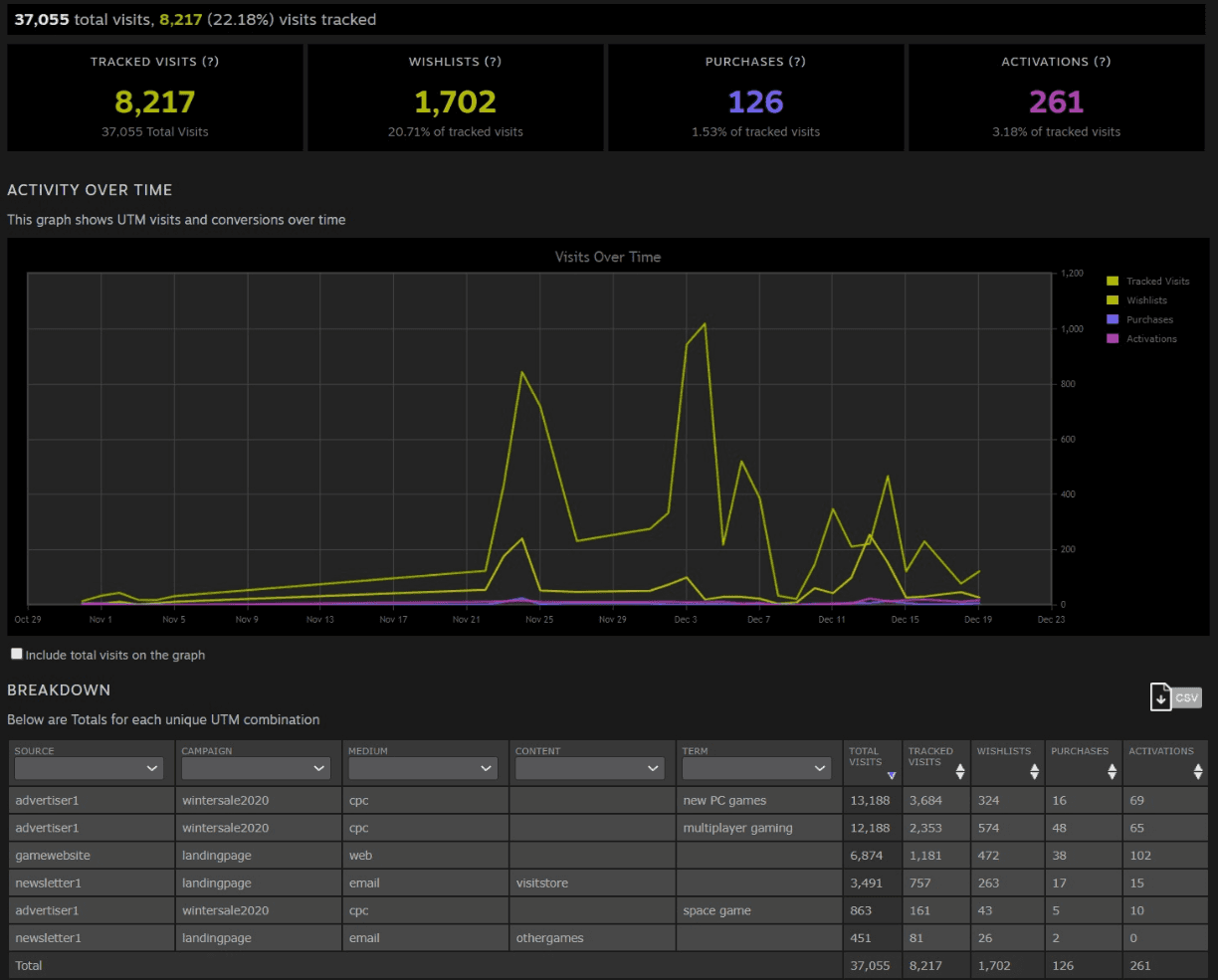
This is the point where steam wishlist marketing becomes frustrating. Not because you lack ideas, but because nothing compounds.
Most developers in this situation are not beginners. They have an active or potential project that deserves attention. What they lack is not effort, but a system that turns effort into readable signals for Steam.
Why steam wishlist marketing breaks down in practice
Steam wishlist marketing fails quietly. Rarely because of one big mistake, but because several small misalignments stack together.
Steam is not designed to discover games by itself. It is designed to react to player behavior. If that behavior is unclear or inconsistent, Steam stays neutral.
Neutral means your game exists, but nothing pushes it forward.
Steam reacts to signals, not effort
Steam does not know how long your game took to build. It does not care how many hours you spent polishing features.
It observes what players do.
Do they click Do they stay Do they watch Do they wishlist
If players arrive and leave without commitment, Steam reads uncertainty. If engagement happens once and never repeats, Steam reads noise.
Steam wishlist marketing only works when behavior creates a pattern that Steam can trust.
Players decide faster than developers expect
Most developers imagine players reading descriptions carefully. In reality, players scan.
They look at the capsule. They glance at the screenshots. They read a few words.
Within seconds they decide whether the game belongs to a category they care about.
If the category is unclear, the session ends. Even if the game is good.
Clarity beats complexity at this stage.
Traffic without intent does not help
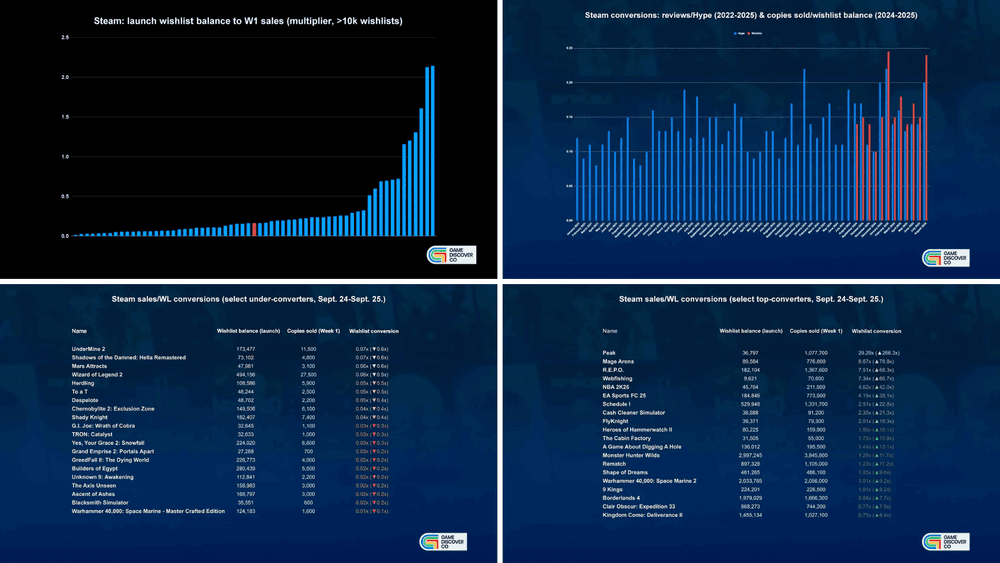
More traffic does not automatically mean more wishlists.
If players arrive without a reason to care, they leave. Steam sees views without conversion. That weakens perceived demand.
This is why developers often see impressions but no momentum.
Steam does not reward attention. It rewards confidence.
Marketing and store pages often tell different stories
A common breakdown happens between marketing messages and the Steam page itself.
A post frames the game as story driven. The page leads with mechanics.
A trailer highlights fast combat. The description emphasizes slow progression.
Players feel confused. Steam sees confusion as risk.
Timing amplifies clarity, not effort
Events, festivals, demos, and announcements do not create traction on their own.
They amplify what is already clear.
If positioning is weak, timing amplifies weakness. If positioning is strong, timing multiplies results.
This explains why similar games see very different outcomes from the same event.
Common mistakes that block wishlist growth
These mistakes are common among serious indie developers, not beginners.
Treating wishlists as the strategy
Wishlists are not the plan. They are the output.
When developers focus on increasing the number directly, they often chase actions that feel productive but do not build confidence or consistency.
The real question is always why someone would wishlist your game today.
Trying to appeal to everyone in the genre
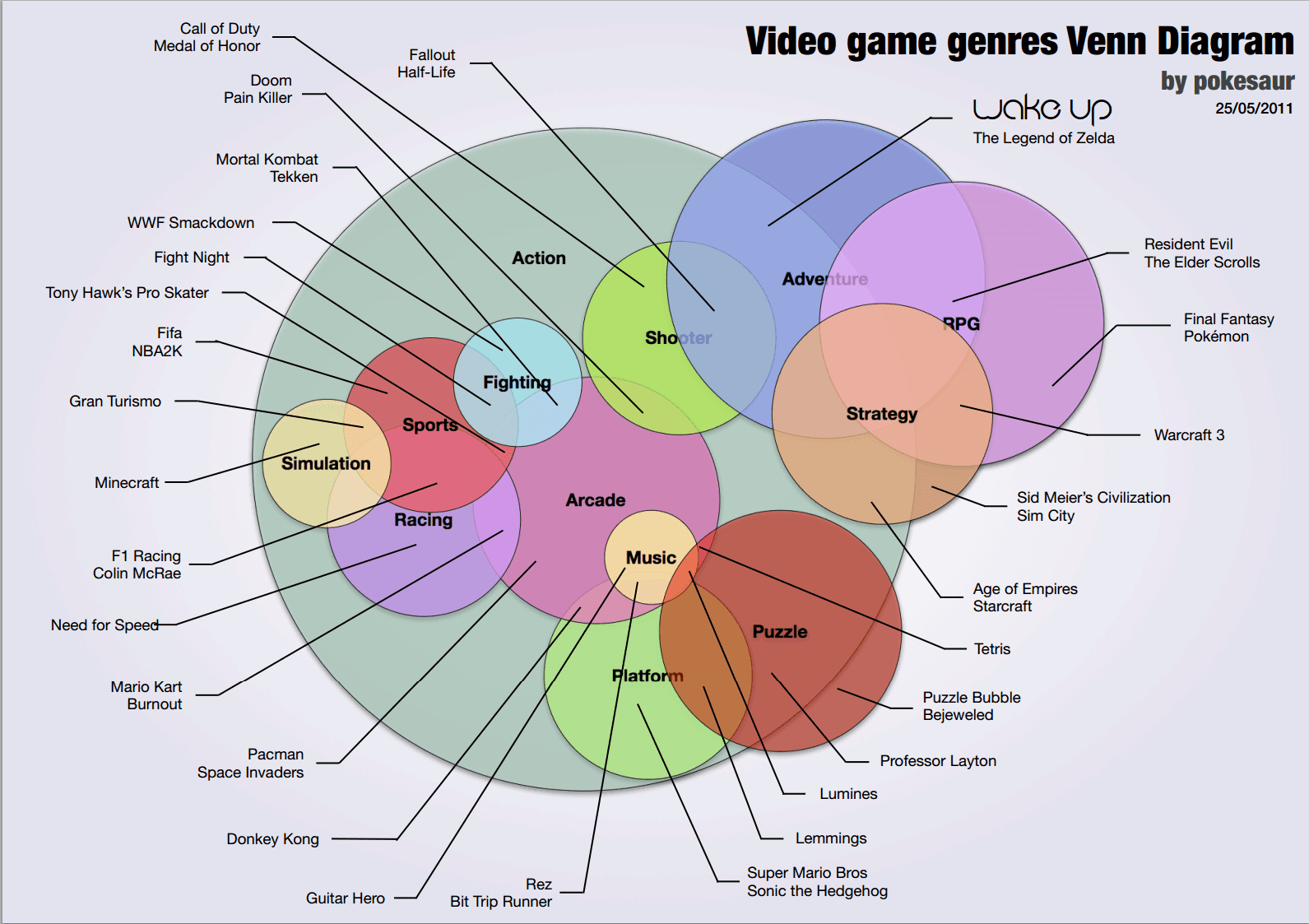
Broad positioning feels safe. It rarely converts.
Steam favors games that are clearly meant for a specific audience. A smaller audience with high confidence sends stronger signals than a large audience with mixed interest.
Copying tactics without context
Developers often copy visible actions from successful games. Devlogs, influencer outreach, frequent posting.
What is missing is context. Timing, existing audience trust, genre demand.
Without context, the same actions produce very different results.

Producing content without a system
Content alone does not create traction.
If content does not move players closer to understanding and confidence, it becomes background noise.
Posting more does not fix unclear positioning.
Waiting for quality to speak for itself
Quality matters. But Steam cannot evaluate quality. Players do.
If players do not immediately understand why your game matters to them, quality stays invisible.
The system behind effective steam wishlist marketing
To understand how to get more wishlists on Steam consistently, you need a system, not tactics.
A practical framework has three connected layers.
Audience clarity
You need a precise idea of who this game is for.
Not everyone who likes the genre. Not every indie fan.
A specific player with a specific expectation.
What fantasy they want What frustration they want resolved What references they already understand
This clarity shapes everything else.
Intentional signal creation
Once the audience is clear, every action should create a readable signal.
Traffic sources filter interest. Messaging sets expectations. The Steam page confirms them.
When intent and behavior align, Steam reads confidence.
Reinforcement over time
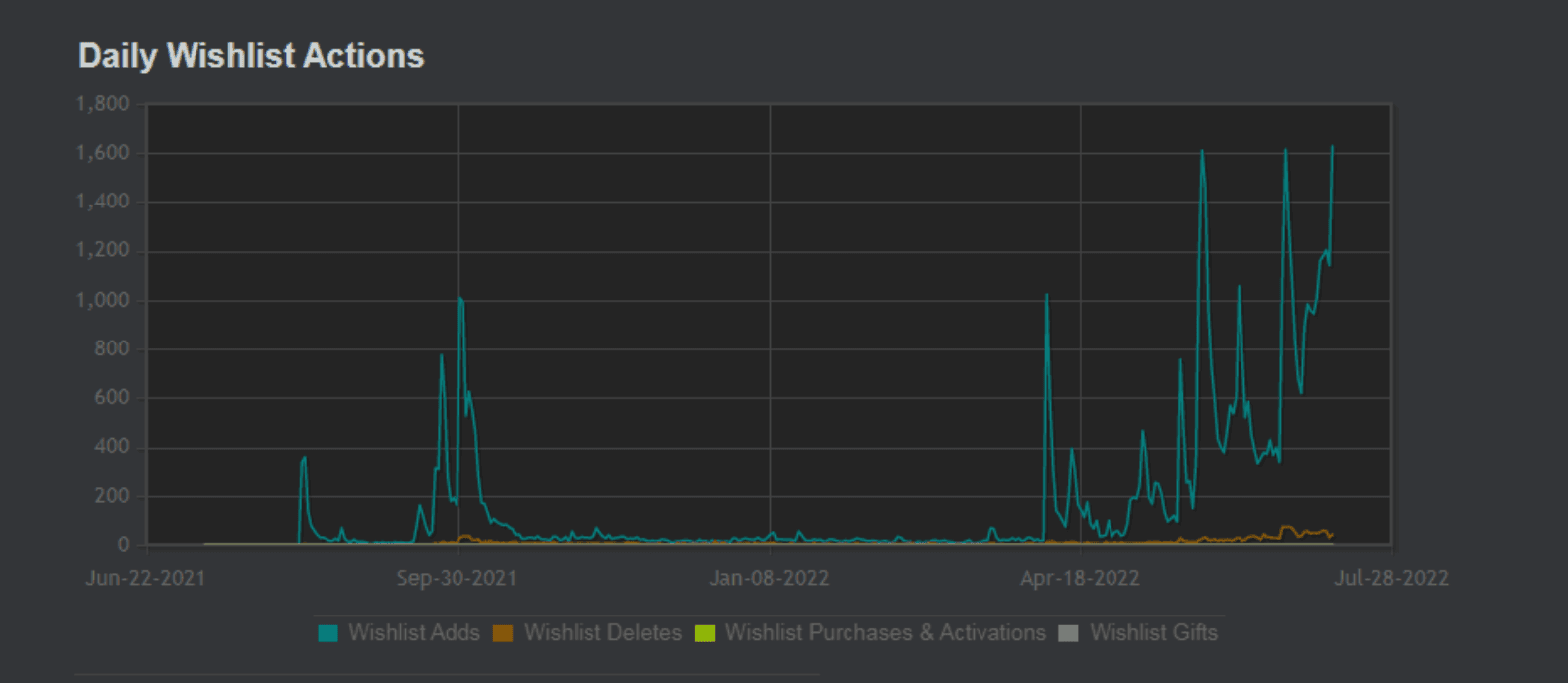
One spike does not matter much. Patterns do.
Repeated actions that produce similar behavior build trust with the algorithm.
Steam responds to consistency.
The Steam page as a decision environment
Your Steam page is not documentation.
It must quickly answer: What is this Who is it for Why care now
If it cannot, traffic is wasted.
Development and marketing are connected
Sometimes wishlist growth improves when the game becomes clearer, not bigger.
A sharper core experience often converts better than more features.
Practical examples from indie PC and Steam games
Clarity beats complexity
A management game explained systems in depth but failed to communicate the fantasy. After refocusing the page on the player experience, wishlist conversion improved without more traffic.
Focus beats coverage
A developer promoted everywhere with weak results. Focusing on one genre community created stronger signals and better conversion.
Demo as proof
A demo gained players but few wishlists. Reframing the demo as proof of a specific promise increased wishlists without changing the build.
Readiness over urgency
Waiting until visuals and messaging aligned produced stronger results than early announcements.
A calm next step if you want clarity
If you want an outside perspective on why your Steam page or current marketing is not producing the wishlist growth you expect, a focused audit or diagnostic review can help identify where alignment is breaking and what to adjust next.