Most indie developers do not struggle on Steam because their game lacks quality. They struggle because marketing actions do not connect to how Steam actually evaluates interest.
You launch a store page. You post updates. You reach out to creators. Wishlists grow a little and then stall.
At that point the question is no longer what to do next. The real question becomes how to market a game on Steam in a way that creates momentum instead of noise.

The real problem indie developers face on Steam
The core issue is not visibility. It is the absence of clear signals that Steam can interpret.
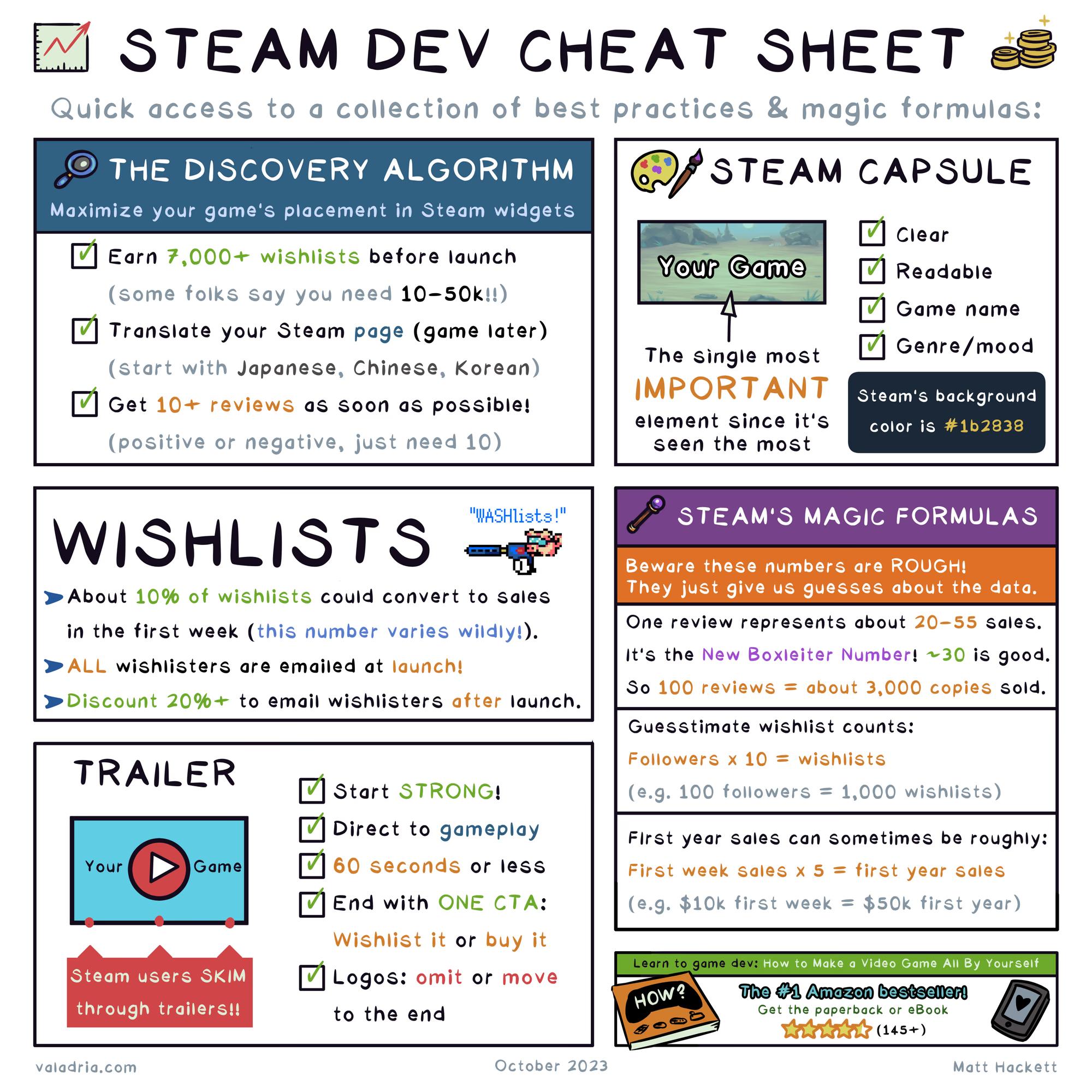
Steam does not reward effort, consistency, or creativity on their own. It reacts to player behavior clustered in time.
If your marketing does not generate recognizable patterns of interest, the platform ignores it.
Most indie teams never intentionally build those patterns. They perform marketing actions without a system that ties them together.
Why this problem happens in practice
Indie developers usually approach Steam marketing in reverse order.
They start with content instead of intent. They focus on activity instead of conversion. They chase reach instead of relevance.
Steam is not a social network. It is a marketplace optimized around behavior.
The algorithm measures what players do after seeing your game, not how often you talk about it.
Without understanding this, marketing becomes exhausting and unpredictable.
Common approaches that feel productive but fail
Daily posting on social platforms aimed at other developers This creates engagement without buyers.
Cold outreach to creators without relevance or timing Coverage without audience alignment rarely converts.
Launching paid ads too early Paid traffic only exposes weak positioning faster.
Waiting for festivals to create traction Steam festivals amplify existing momentum, they do not manufacture it.
Copying tactics from successful games Those tactics worked because the context already existed.
These approaches fail because they do not align with how Steam evaluates interest.

How Steam actually evaluates interest
Steam tracks clustered behavior.
Page visits that convert into wishlists Wishlists added within short time windows Demo installs followed by meaningful playtime Returning traffic after updates or events
These actions tell Steam that players care now, not someday.
If interest is spread thin across months, the signal disappears.
Marketing that works on Steam is about timing and concentration, not constant output.
A practical system for how to market a game on Steam
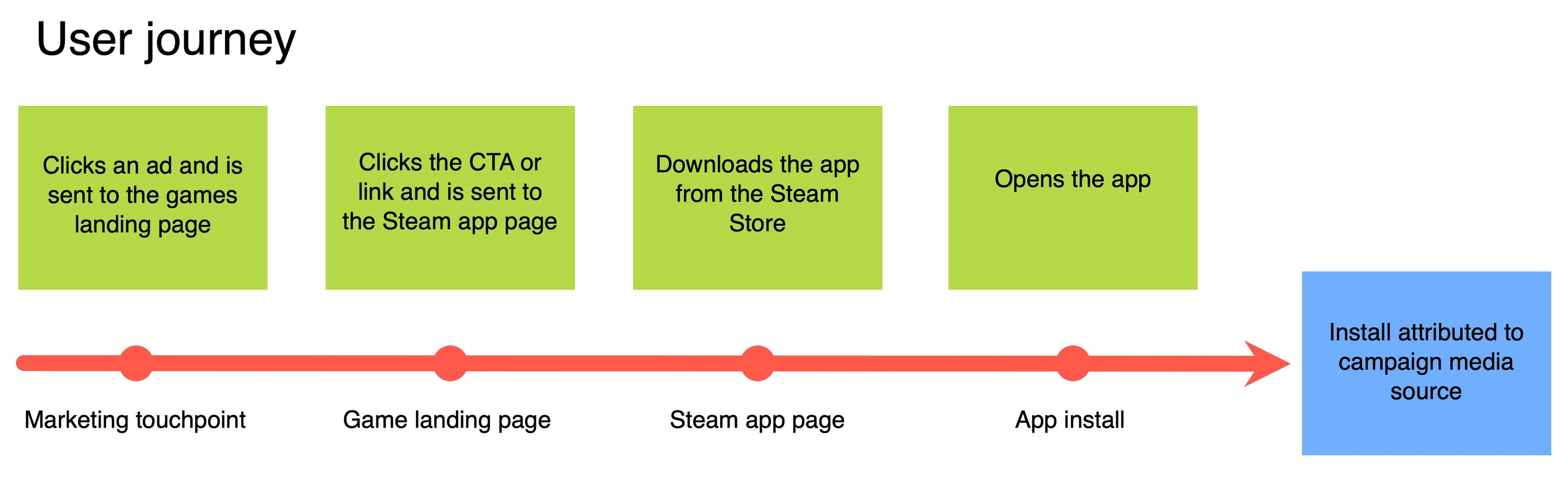
A functional Steam marketing system has three connected layers.
Audience clarity Store page conversion Timed amplification
If any layer is weak, everything downstream collapses.
This is why many developers feel stuck despite working hard.
Audience clarity comes before promotion
You need to know who the game is for in behavioral terms.
What similar games they already own What screenshots stop them from scrolling What hooks trigger immediate wishlisting
Genre labels are not enough. You are not marketing to everyone who likes roguelikes or strategy games.
You are marketing to players who respond to a specific promise.
When developers ask What agencies handle paid advertising campaigns for game launches? What they often mean is who understands audience intent well enough to target correctly.
Without this clarity, no channel performs consistently.
Your Steam page is a conversion surface, not documentation
Most Steam pages fail because they explain instead of persuade.
Players scan. They do not read.
Capsules, first screenshots, and the opening description line do most of the work.
If a stranger cannot understand why your game matters in five seconds, they leave.
Before scaling any marketing effort, you need to know whether your page converts cold traffic into wishlists.
Why wishlists stall even with traffic and coverage
Coverage does not equal conversion.
A creator can play your game in front of thousands of viewers and still generate no meaningful wishlist lift.
This usually happens when one of three things breaks.
The audience does not match the game The page does not communicate value fast enough The timing is disconnected from Steam visibility windows
When wishlists stall, the system failed, not the effort.

Timed amplification is what creates momentum
Steam reacts to velocity.
Short periods of increased interest matter more than steady background noise.
Effective marketing aligns attention with specific beats.
Store page announcement Demo launch Festival participation Major update Release window
Each beat has a clear purpose and builds on the previous one.
When amplification happens before conversion is validated, the system breaks.

Practical example early stage PC indie game
A small PC roguelike launches its Steam page one year before release.
They post regularly and gain slow wishlist growth that eventually plateaus.
After refocusing on players of similar existing games and niche creators, traffic decreases but conversion improves.
Wishlist velocity increases. Steam begins surfacing the game more often.
Nothing about the game changed. The system did.
Practical example demo driven growth
Another team prepares for a major Steam festival.
Instead of waiting, they test demo messaging with small creators weeks earlier.
They adjust hooks based on playtime and wishlist spikes.
When the festival starts, conversion is already proven.
Steam amplification multiplies momentum instead of exposing weaknesses.
Where paid advertising actually fits
Paid advertising is not discovery. It is amplification.
Ads work when they reinforce patterns that already exist organically.
If paid traffic performs worse than organic traffic, it reveals a positioning problem.
This is why the right question is not whether to run ads, but what system you are amplifying.
How to diagnose your current Steam marketing
You do not need more tactics. You need clarity.
Can you clearly define your player Does your page convert strangers Are your marketing beats aligned with Steam behavior
Where clarity is missing, growth stops.
Clear takeaways
Steam rewards clustered player behavior Wishlists are a result, not a task Traffic without conversion hides real problems Timing matters more than constant activity Systems outperform tactics
Understanding how to market a game on Steam starts with understanding what Steam responds to.
A simple next step
If your wishlists have stalled or your launch plan feels uncertain, a focused external review can help identify where the system breaks. The goal is clarity and diagnosis, not selling.